




|
Quantity
|
Price
|
||
|
|
|||
|
|
|||
Men’s Tony Perotti Wallets: Choosing the Right Format
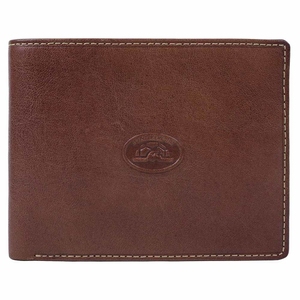
Men’s Tony Perotti wallets look understated on the outside, yet their interiors can be organised in very different ways. Some are designed for a few cards and folded banknotes; others accommodate documents, coins, receipts, and the everyday extras that tend to accumulate over time.
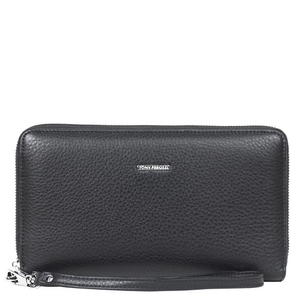
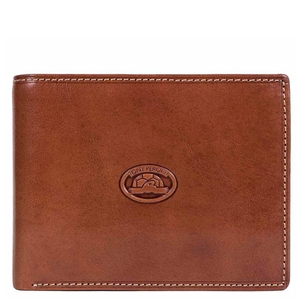
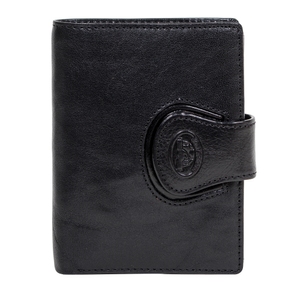
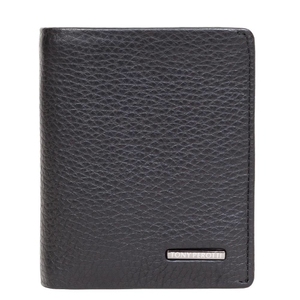
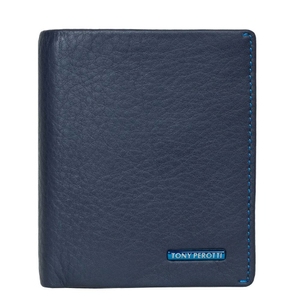
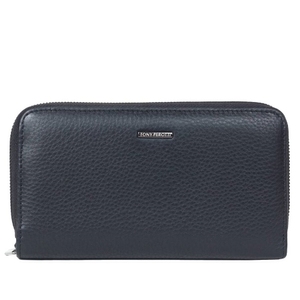
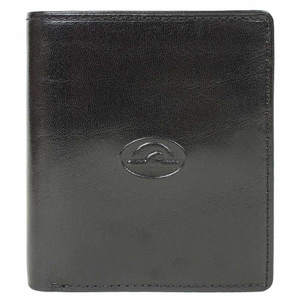
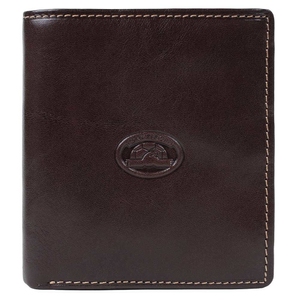
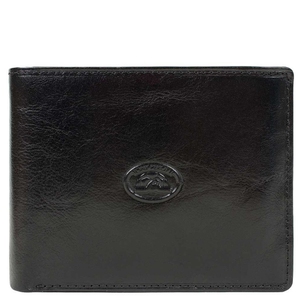
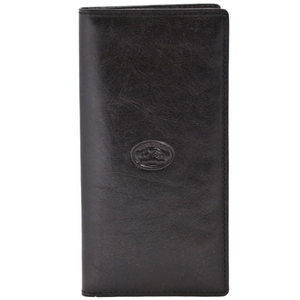
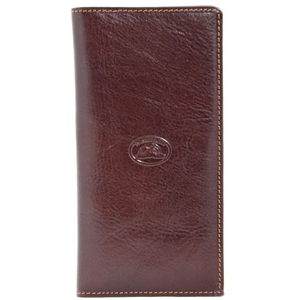
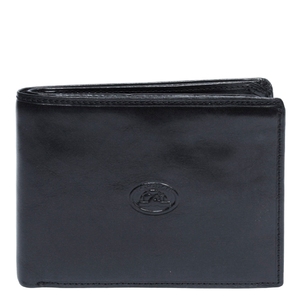
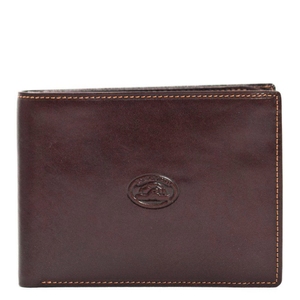
This category includes compact wallets, classic horizontal bifolds, and vertical styles, with options featuring coin pockets, dedicated document sections, and additional compartments. So it makes sense to choose based on more than just leather colour or finish. It is more useful to consider how you normally carry cash, cards, and documents.
Folded notes or banknotes kept flat
Most men’s Tony Perotti wallets are designed to hold banknotes folded in half. This familiar everyday format stays reasonably slim and fits comfortably in a jacket or blazer pocket, or in a bag.
Wallets that hold notes flat suit people who prefer to keep their banknotes uncreased. They are usually chosen for use in a briefcase, bag, or inside pocket of a coat. This format is not always the most practical option for trouser pockets, so it is worth checking the closed dimensions before buying.
How many cards do you carry?
If you typically carry one or two bank cards, ID and a little cash, a large wallet is usually more than you need. A compact style is easier to carry day to day: it takes up less room and keeps pockets from feeling bulky.
A roomier wallet is worth considering if you also carry an access card, business cards, loyalty cards, a driving licence, receipts or other documents. It is worth looking not only at the number of slots but also at their layout. The cards you use most should be easy to reach without opening the entire wallet.
Do you need a coin pocket?
Wallets with coin pockets suit people who still use cash regularly and do not want to carry loose change separately. They can be useful on the road, behind the wheel or simply in everyday moments when coins do crop up.
If you rarely use cash, a wallet without a coin pocket is generally more practical. It is slimmer, easier to fit into a pocket and looks more streamlined. An extra compartment is not always a benefit, especially if it is seldom used.
Documents, cards, and order inside
Anyone who carries a driving licence, access pass or other small-format documents should look for a wallet with a dedicated internal section. It keeps cards, receipts and documents from ending up in one untidy stack.
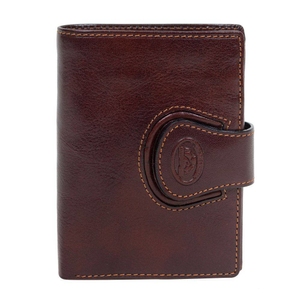
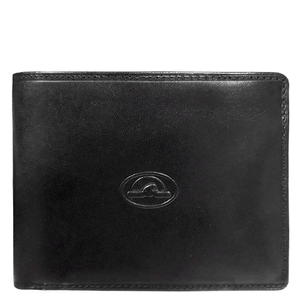
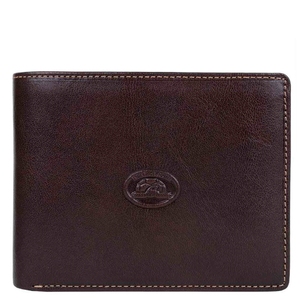
Horizontal wallets remain the most versatile choice: they work well for cash, cards and a basic set of documents. A vertical wallet is worth choosing for more than its shape. Its advantage lies in features such as a fold-out card section, an ID window, separate pockets and a more detailed internal layout. Here, compare not only the number of compartments but also the wallet’s thickness when closed.
Leather that develops over time
Smooth leather has a more formal look and pairs well with business dress, a classic briefcase or a leather bag. Grain leather has more texture and is more forgiving in everyday use: small signs of wear tend to be less noticeable.
Crazy Horse leather has a different appeal. Over time, subtle shifts in colour, soft creases and fold marks emerge. The wallet gradually becomes less like a showroom piece and more personal. It is a good choice for people who appreciate leather with a living, changing surface rather than a perfectly even finish.
Some Tony Perotti wallets feature RFID protection for contactless cards. It is a useful extra, but the essentials matter more: whether the layout is easy to use, whether there is enough space for the things you carry and whether the wallet remains comfortable to use every day.