









|
Quantity
|
Price
|
||
|
|
|||
|
|
|||
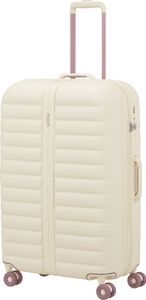
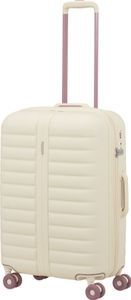
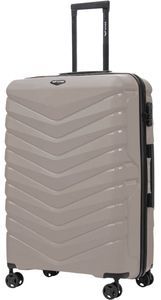
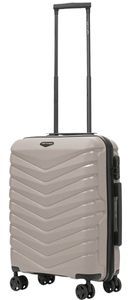
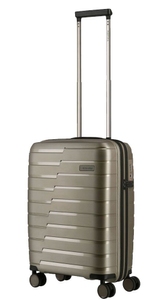
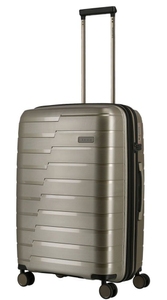
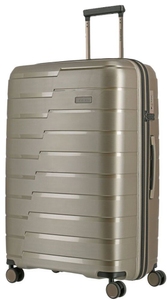
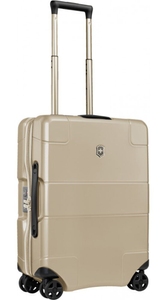
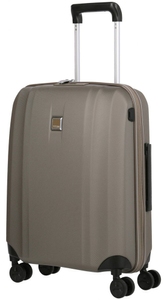
Beige suitcases are chosen when you need a light-colored option without bright colors.
This is a calm suitcase that looks lighter and neater than dark models. It is noticeable on the baggage carousel, but doesn’t look too bold.
But light colors have a downside. Scuffs, scratches, and handling marks become visible faster on beige suitcases. Compared to dark models, the appearance changes more quickly over time.
So the choice here is simple:
if you want a light suitcase that’s easier to find - beige works
if it’s more important for the suitcase to stay neat over time, a dark color makes more sense
Compared to light blue suitcases, the difference is in priority: light blue is easier to spot during travel, while beige looks calmer and more neutral.
Some downsides can be reduced. Matte and textured shells hide marks much better than glossy ones. A cover also helps preserve the appearance, especially if the suitcase is often checked in.
From here, the choice is no longer about color, but about usage.
If the suitcase is regularly checked in → polypropylene. Handles impacts and loads better.
If weight and ease of movement matter → polycarbonate. Easier to roll and lift.
If flexibility when packing is important → expandable textile luggage.
Size is simple: short trips - carry-on, regular trips - medium size, long trips - choose a large suitcase.
A beige suitcase is not about brightness.
It’s about a calm light-colored option that looks neat, but requires a bit more care in use.
If you need a neutral light suitcase and are ready for marks to be more visible, this is the simplest way to solve the choice.