





|
Quantity
|
Price
|
||
|
|
|||
|
|
|||
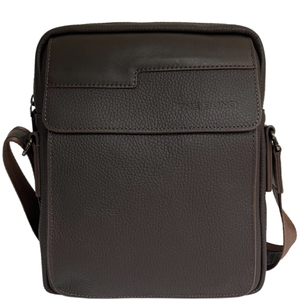
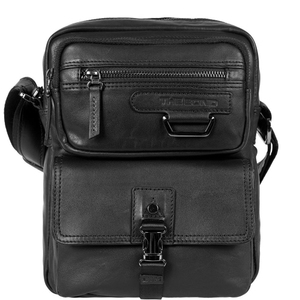
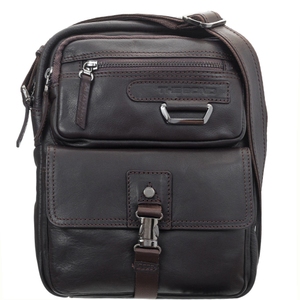
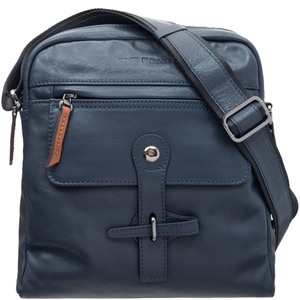
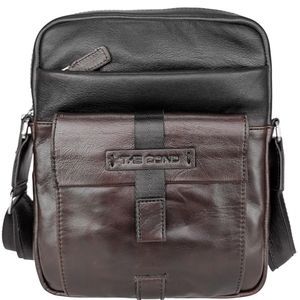
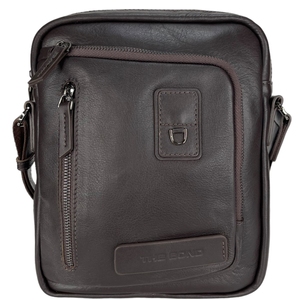
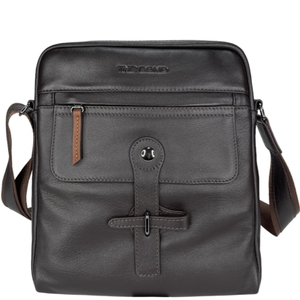
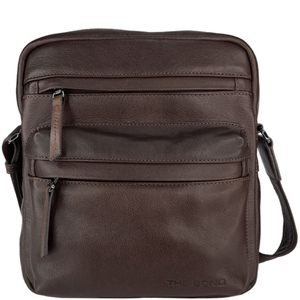
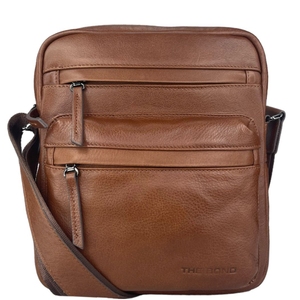
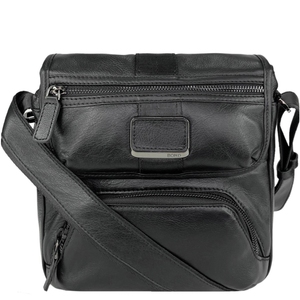
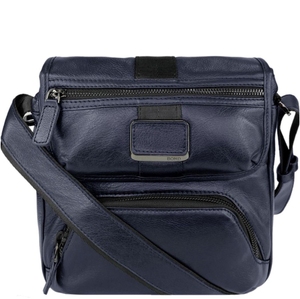
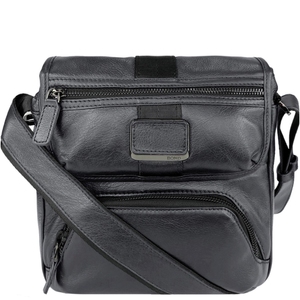
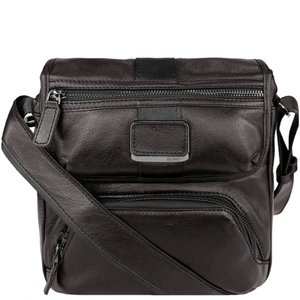
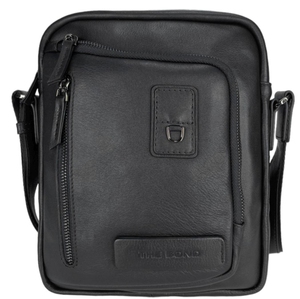
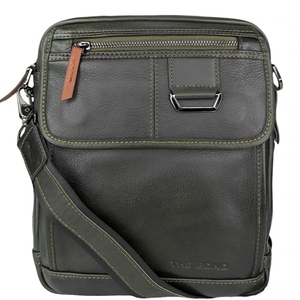
The Bond selection on this page is not intended for A4 documents or a laptop, nor for frequent hand carry. Instead, it follows a different scenario: a vertical leather body without a top handle, an adjustable shoulder strap and a compact set of everyday essentials. This consistency matters more than nominal breadth – buyers can compare bags with a similar fit instead of mixing them with briefcases and large messenger bags.
The format is set – the internal logic is the real choice
Some The Bond models keep the main space open and undivided. Internal pockets separate smaller items, while external pockets move a phone, keys or an access card out of the shared compartment. This construction leaves more freedom for objects of different shapes, such as a glasses case, charger, wallet or small planner. It works well when the contents change from day to day and rigid sectioning would get in the way.
Other bags use almost the same vertical silhouette as a compact organizer. The range includes two-compartment layouts divided by a zippered partition, as well as designs with three internal sections. Each group of items can keep a fixed place, reducing the need to search while on the move. The trade-off is equally clear: dividers use part of the available capacity, so more sections make sense only when the everyday load is consistent.
Zippers and flaps serve the same basic scenario
Most of the bags shown close with a zipper and provide direct access to the main compartment. Another part of the range adds a front flap; on selected constructions, a zipper remains beneath it, creating a two-step opening. A flap covers the front and changes the visual rhythm of the bag, but it does not guarantee a simpler or more elaborate interior. It is more useful to check the number of compartments first and then decide whether the extra closure layer is worthwhile.
External pockets complete this system. A rear pocket suits items that should stay closer to the body; a front pocket is quicker to reach but has a stronger effect on the appearance. With The Bond, pocket placement is best judged together with the internal division. If everything already has a dedicated section, another outer pocket may add little. With one open main compartment, however, external access can noticeably reduce the search for small items.
Before choosing, mentally sort the usual daily load. One open compartment with pockets works better for a few differently shaped objects; two or three separate spaces suit stable groups such as documents, electronics and personal items. The external format changes little across this The Bond category, so this decision determines whether the bag feels neatly organized or unnecessarily divided.