




|
Quantity
|
Price
|
||
|
|
|||
|
|
|||
Osprey waist packs are best viewed not as one city bum bag in different colors, but as several ways to carry a small set of essentials. The brand adapts each compact design to a specific task: some styles pack into their own pocket and take up very little room in luggage, while others add more internal organization, a back panel or compression straps. The right starting point is therefore how and where the pack will be used, rather than its appearance alone.
From a spare travel bag to a compact lumbar pack
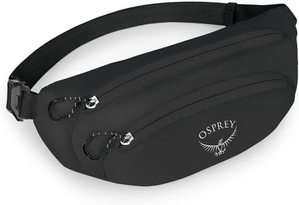
- For travelling light. The 2 L Ultralight Stuff Waist Pack weighs about 0.1 kg and packs into its own pocket. Two zipped compartments separate the essentials, while the empty bag is easy to keep in a suitcase or backpack as a spare carry option.
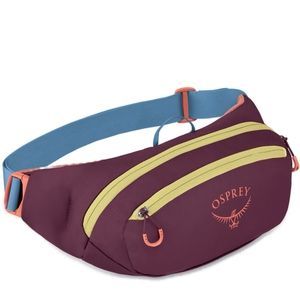
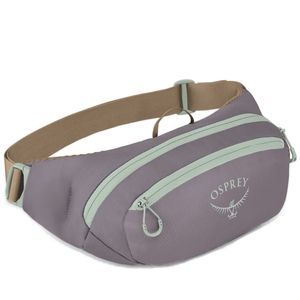
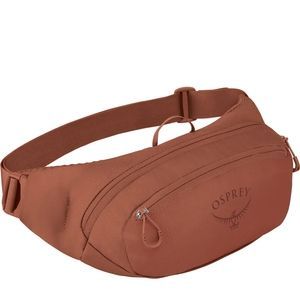
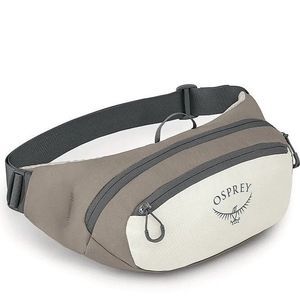
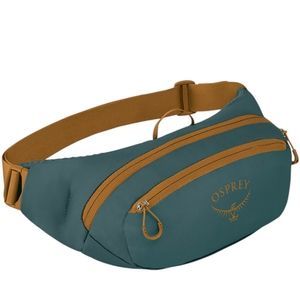
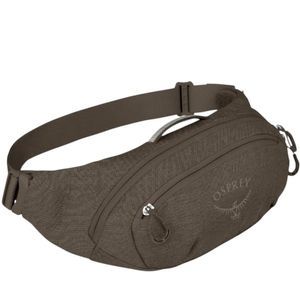
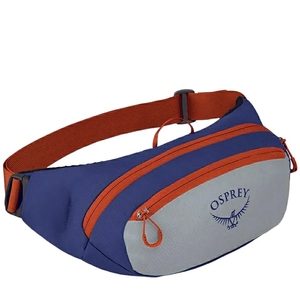
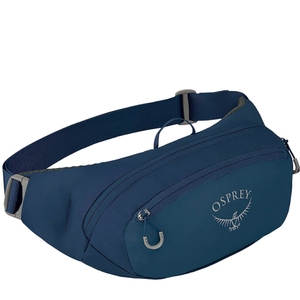
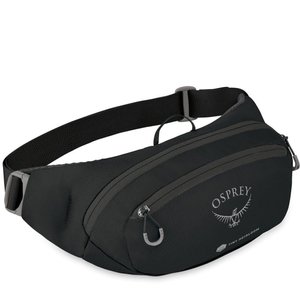
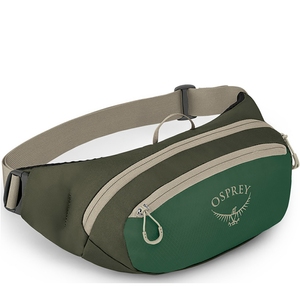
- For everyday essentials. The 2 L Daylite Waist has a main compartment, an external pocket and a key clip. The body weighs about 0.21 kg. It is a more conventional city waist pack for keeping a phone, wallet and keys apart without adding an elaborate internal organizer.
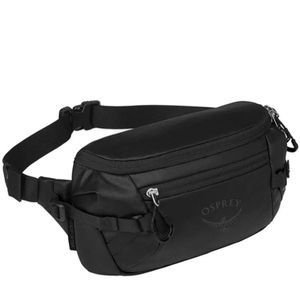
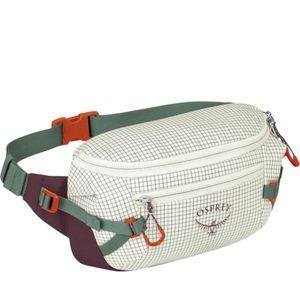
- When protection and organization matter. The 3 L Transporter Waist Pack can be worn at the waist or across the body. It has several zipped compartments, internal pockets, compression straps and a highly water-resistant NanoTough™ outer fabric. This design suits a fuller load and changeable weather.
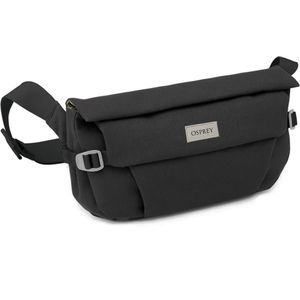
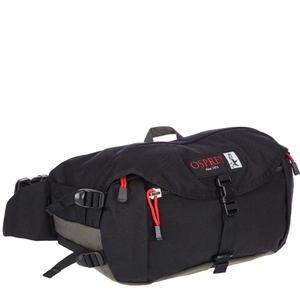
Roomier styles are closer to small lumbar packs. The 8 L Heritage Waist Pack, for example, adds a back panel and compression straps. It is intended for active trips and time outdoors, but occupies noticeably more space on the body than compact 1–3 L styles. That capacity makes sense when more items need to be distributed around the waist, rather than simply removed from clothing pockets.
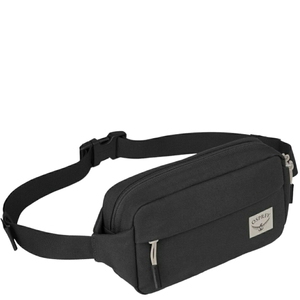
Osprey also matches its textiles to each purpose. Ultralight uses thin, high-tenacity 40D nylon to keep weight down, while Transporter uses denser, highly water-resistant NanoTough™ fabric. Daylite and Arcane styles include recycled textiles carrying bluesign® approval. This is not a simple better-or-worse scale: low weight matters most in a spare pack, while a denser protected fabric makes more sense when safeguarding the contents is the priority.
Before ordering, decide which trade-off matters: minimum weight and a packable body, the familiar organization of an everyday bum bag, or a more protective and spacious design. Then check the capacity, number of compartments, zip placement and carrying method of the specific model.