




|
Quantity
|
Price
|
||
|
|
|||
|
|
|||
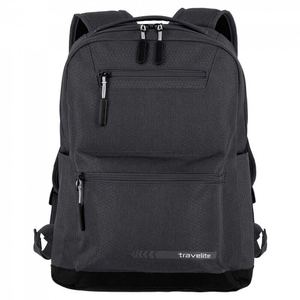
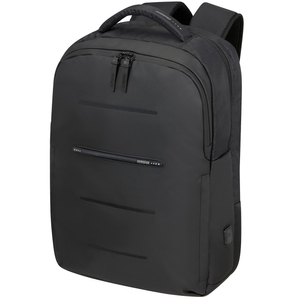
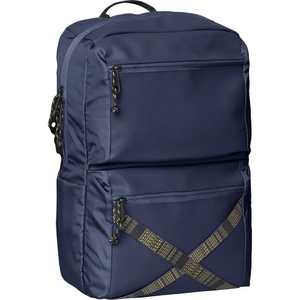
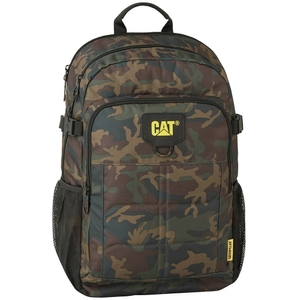
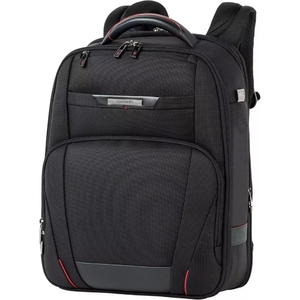
If you don’t like the feel of a rigid backpack on your back - the kind that holds its shape and constantly reminds you it’s there - it’s worth looking at fabric models. This is a format that doesn’t try to be a “structure”; it simply fits into your day.
They’re softer and easier to live with. You notice it right away in the city: on public transport, it doesn’t stick out, doesn’t press into you, doesn’t make you keep adjusting it. At some point, you catch yourself forgetting it’s even there. It moves with you, not against you. The kind of backpack you stop noticing after ten minutes.
They’re also easier to handle. You don’t have to think about how to set it down so it keeps its shape. You don’t have to organize everything “the right way”. You throw your things in, zip them up, and go. Inside, it’s straightforward: pockets, basic organization, quick access to small items, and side pockets for a bottle. Everything has its place - without feeling like you have to follow a system.
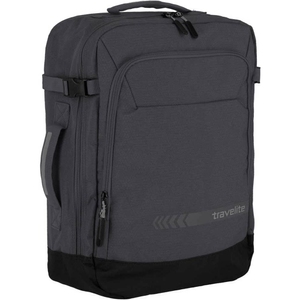
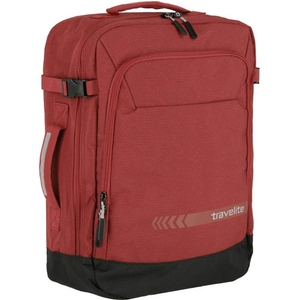
If you’re choosing a backpack for flights, fabric models often make more sense. Many of them fit within carry-on limits (like 40×30×20 for Wizz Air or Ryanair), which immediately removes a lot of friction. And when you travel, small details start to matter: a luggage sleeve, a side handle, the option to expand the volume when you need a bit more space.
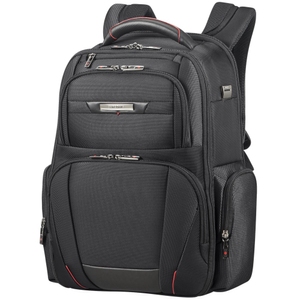
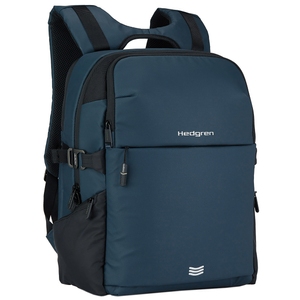
With laptops, it really depends on the model. In simpler versions, it’s just a sleeve inside - sometimes padded, but without rigid support - so if the bag isn’t full, your laptop may shift a little. For everyday use, that’s usually fine. But there are also designs built specifically for laptops: with a more structured back panel, a dedicated compartment, and a more stable fit. In those, your laptop feels noticeably more secure. It’s less about the fabric itself and more about how the backpack is designed.
Rain is another realistic consideration. Many models have water-repellent coatings, and some include a rain cover, but they’re not fully waterproof. That’s part of the trade-off that comes with comfort.
Within the category, the differences show up in the details. Some models include anti-theft features or RFID protection, others add a sternum strap or a more supportive back panel. You’ll also find rolltops, packable designs, and hybrids that can be carried like a bag.
The easiest way to choose is by how you plan to use it. For everyday city use - compact and simple. For a laptop, look for a dedicated compartment and better structure. For travel - more volume, a luggage sleeve, and easy access to your things.
Fabric backpacks aren’t about being better or worse. They offer a different kind of feel. One where the backpack doesn’t get in your way, doesn’t demand attention, and doesn’t complicate your day. It doesn’t become part of your look - it becomes part of your routine.