





|
Quantity
|
Price
|
||
|
|
|||
|
|
|||
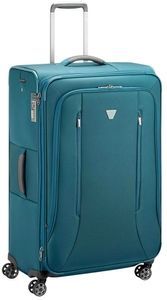
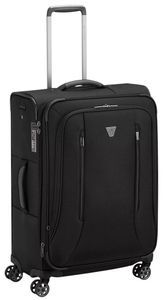
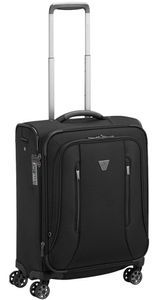
Softside suitcases have a fabric outer shell, usually made from polyester or nylon. A frame underneath helps the suitcase hold its shape, though the sides can give a little when you're packing. Many models also have exterior pockets and an expandable section.
What to Know About Fabric Shells
A label that says "polyester" or "nylon" doesn't tell you much about how well a suitcase will hold up over time. The fabric's weave and finish matter, along with the strength of the seams and reinforcement around the corners.
During baggage handling, another heavy bag may end up stacked on top of your suitcase. Fabric sides generally give more under that kind of pressure than the rigid shell of a hard-shell suitcase. Fragile items are best wrapped separately and packed toward the center, away from the sides.
Some suitcases have a water-repellent fabric finish. It helps protect against splashes and light rain, but moisture can still get through the seams and zippers. Stains are also usually harder to remove from fabric than from smooth plastic.
Exterior Pockets and Expandable Storage
An exterior pocket is a handy place for a book, charger, or headphones, especially when you don't want to open your suitcase during a trip. Just remember that a tightly packed front pocket can stick out and add to the suitcase's overall depth.
Many softside suitcases have one deep main compartment with a lid that folds back. This design can be easier to use in a small hotel room than a suitcase that opens into two equal halves.
If you're coming home with more than you packed, an expandable suitcase can come in handy. The extra zippered section gives you more packing space, but it can also push the suitcase beyond your airline's baggage size limits.
Interior pockets and dividers are useful if you travel with lots of small items. For bulky clothing, a single large compartment without too many dividers may work better.
Two Wheels or Four?
A four-wheel spinner suitcase is easy to roll upright beside you on smooth airport or train station floors. The swivel wheels let you change direction without tilting the case.
Two-wheel suitcases are usually pulled behind you at an angle. They can be easier to manage on uneven sidewalks or pavement, especially when the wheels are fairly large. The trade-off is that your arm supports some of the luggage's weight.
Small spinner wheels may struggle with gaps between tiles and uneven surfaces. Before buying, check how smoothly the suitcase rolls and whether the telescoping handle extends to a comfortable height.
Choosing the Right Size and Weight
Softside suitcases come in sizes ranging from XS to XL. There's no universal standard for these labels, though, so compare the actual dimensions in centimeters and capacity in liters.
The empty weight matters especially when you're choosing a medium or large suitcase. Even if your luggage spends most of the trip on its wheels, you'll still need to lift it into a car trunk or carry it up stairs.
A softside suitcase isn't necessarily lighter than a hard-shell model. The frame, wheels, handles, and other components all add weight. It's better to compare suitcases with similar dimensions and packing capacity.
Before flying, check your airline's size and weight limits. Remember to include the wheels, handles, and filled exterior pockets when measuring the suitcase. If you're planning to bring it into the cabin, take a look at our carry-on suitcases.